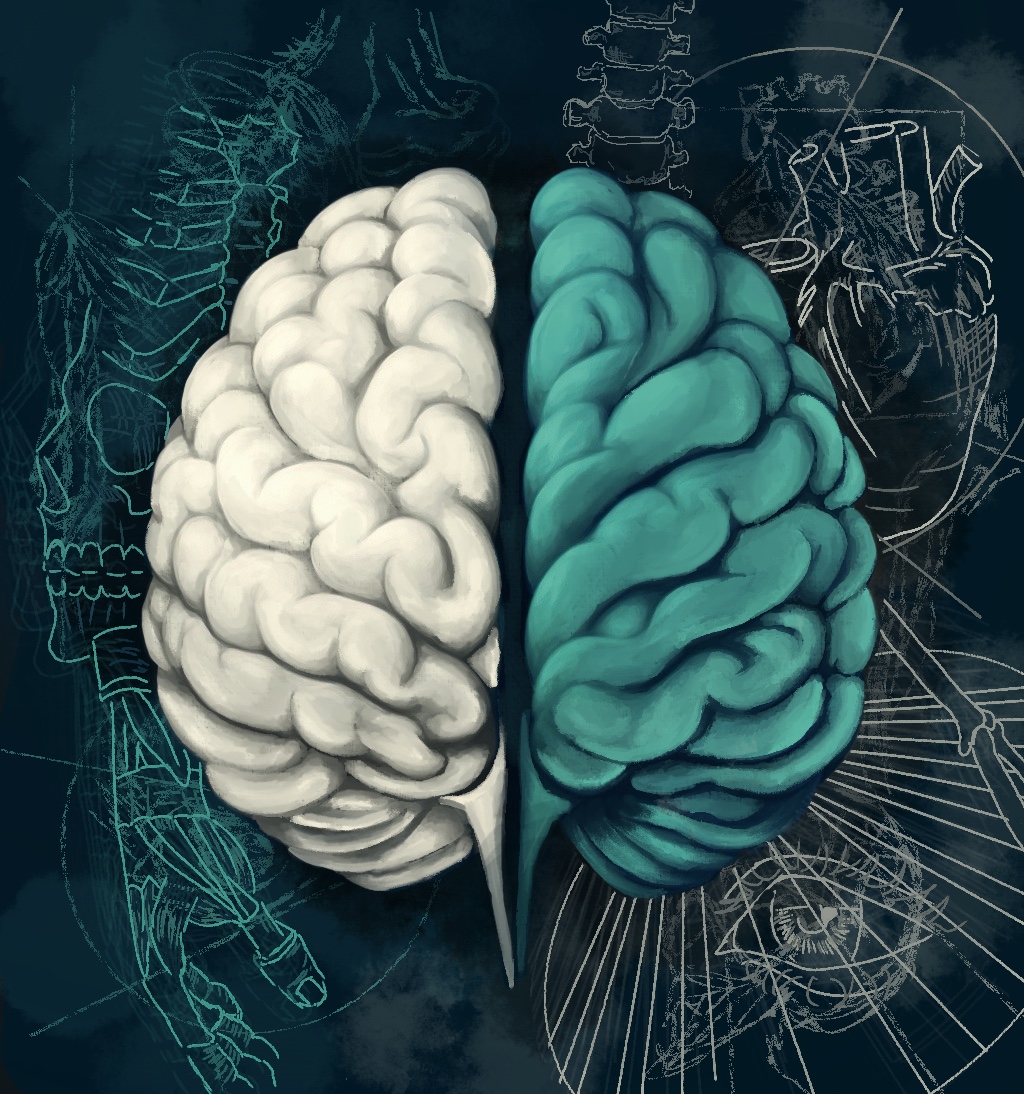
Brain Health
Brain health refers to the brain’s ability to function effectively in areas such as memory, thinking, learning, and emotional regulation. It plays a critical role in how individuals process information, make decisions, and perform everyday tasks. Maintaining brain health involves factors like regular physical activity, proper nutrition, quality sleep, and staying mentally and socially engaged.
Alzheimer’s disease is a progressive neurological disorder and the most common cause of dementia. It leads to a gradual decline in memory, cognition, and behavior, eventually interfering with daily functioning.
Ongoing research in Alzheimer’s disease aims to better understand its causes, improve early detection, and develop effective treatments. These efforts are essential for slowing disease progression, improving patient outcomes, and working toward prevention and a future cure.
Longevity
Longevity refers to the length of time an individual lives, as well as the factors that can contribute to a longer and healthier life. While genetics play a role in lifespan, lifestyle and environmental factors such as physical activity, nutrition, sleep, stress management, and regular health screenings can also influence long-term health.
Research on longevity focuses on understanding the biological, behavioral, and environmental factors that contribute to healthy aging. Preventive health strategies can help reduce the risk of chronic diseases and support physical and cognitive health throughout the lifespan.
Studying longevity can help researchers identify ways to promote healthy aging and improve quality of life. The goal is not only to increase lifespan, but also to help individuals remain healthy, active, and independent for as long as possible.
Functional Independence
Functional independence refers to an individual’s ability to safely and effectively perform everyday activities without relying heavily on assistance from others. These activities can include walking, preparing meals, managing personal care, taking medications, and completing household and community tasks.
Maintaining functional independence is influenced by physical fitness, strength, balance, mobility, cognitive health, and overall well-being. As individuals age, changes in these areas can affect their ability to perform daily activities and maintain their independence.
Research on functional independence focuses on identifying factors that help individuals remain active and capable throughout the aging process. Understanding these factors can support the development of strategies that promote mobility, prevent functional decline, and improve quality of life.

